Japan Centre Lismore
Father Tony Glynn
A Life of Reconciliation
An Australian priest from Lismore who devoted much of his life to friendship, reconciliation and peace between the peoples of Australia and Japan.
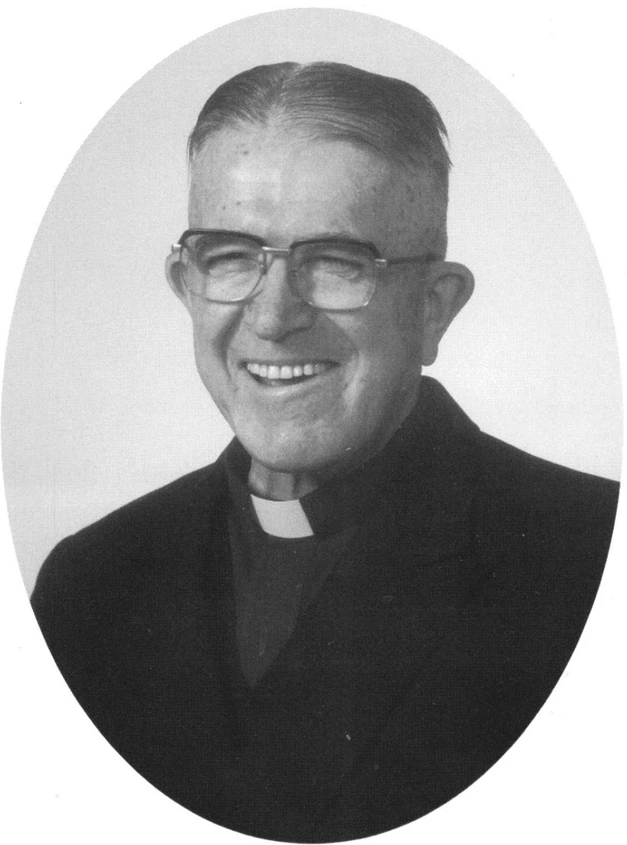
1920s–1994
From Lismore to Japan
Anthony Joachim “Tony” Glynn was born into a traditional Catholic family in Lismore, New South Wales. From childhood he wanted to travel to Japan as a Christian missionary.
In 1945, while in his final year at St John's College, Woodlawn near Lismore, he heard Father Lionel Marsden speak about his experiences as a Japanese prisoner of war.
Father Marsden described how he had moved from hatred of his wartime captors towards a desire for reconciliation between the peoples of Australia and Japan.
Tony Glynn resolved to undertake this work of reconciliation himself.
Arrival in Japan
Father Tony Glynn travelled to Japan as a missionary with the Marist Fathers.
Nara Prefecture
Beginning a Lifetime in Japan
After his ordination as a priest, Tony Glynn travelled to Japan in 1952 with the Marist Fathers.
He worked in Nara Prefecture, where the brochure records that there were only about 100 Catholics among a population of approximately 900,000 people.
Japan would become his home and the focus of a lifetime devoted not only to his ministry, but also to building understanding between Australians and Japanese.
Reconciliation
Returning the Swords
One of Father Tony Glynn's best-known reconciliation initiatives grew from a simple act of goodwill.
When Tony returned to Australia on leave in 1957, Japanese people gave him many gifts to exhibit in Australia and New Zealand.
During his visit to New Zealand, an air force Squadron Leader gave him a Japanese samurai sword that had been taken during the war and asked him to return it to its original owner as a gesture of reconciliation.
Tony eventually gathered 85 swords. The owners of only 16 could be identified, but the gesture of returning these wartime possessions was greatly appreciated in Japan.
The exhibitions he organised in Australia and New Zealand also raised more than $24,000, which was used to establish a home for elderly people.
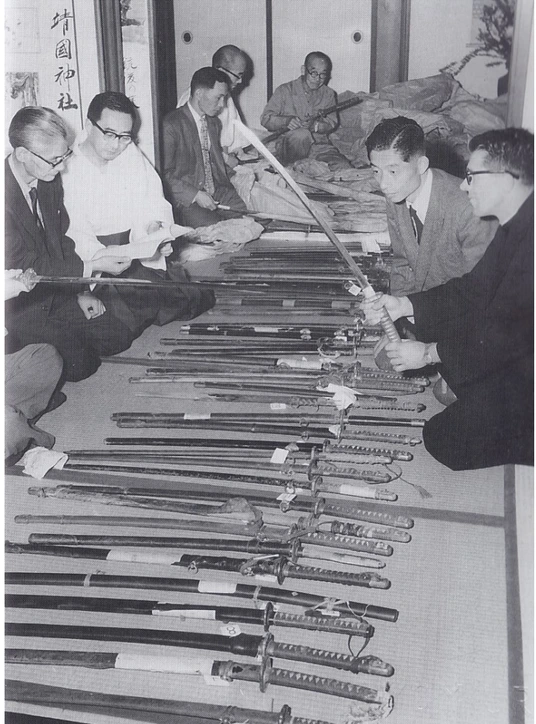
85 Japanese Swords
Gathered as part of a remarkable effort towards reconciliation.
Community Building
Art, Education and Tomigaoka
Father Tony Glynn's work extended well beyond his parish ministry.
In 1965 he brought an exhibition of Japanese woodblock prints by noted artist Kiyoshi Saito to Melbourne and Sydney.
Proceeds from the exhibition were donated towards building a church and kindergarten at Tomigaoka, a developing suburb of Nara.
From 1966 to 1968 he travelled through the United States raising funds for the project. The brochure records that approximately $400,000 was raised, including a substantial contribution from Cardinal Cushing, Archbishop of Boston.
The Tomigaoka church and kindergarten opened in 1973, with Father Tony Glynn serving as parish priest.
Peace and Reconciliation
Across Faiths and Nations
Later in his life, Father Tony Glynn increasingly worked across religious traditions in pursuit of peace and mutual forgiveness.
Australia
Tony travelled with thirteen Buddhist monks to Australia to hold memorial services at places where Japanese people had died during the Second World War, including Sydney Harbour and Cowra.
Hiroshima
To mark Australia's Bicentenary, Tony travelled with Buddhist monks to Hiroshima to pray for peace and mutual forgiveness, and later to Yokohama War Cemetery.
Lae, New Guinea
He helped organise a joint Buddhist, Catholic and Protestant memorial service for those who had died in wartime and to pray for peace.
Remembering Those Lost in War
During his visits to Australia, Father Tony Glynn participated in reconciliation and memorial services for Japanese military personnel buried at Cowra in New South Wales.
These activities formed part of his broader belief that former enemies could meet through remembrance, forgiveness and a shared commitment to peace.
Recognition
Honours and Awards
Father Tony Glynn's contribution to reconciliation, community service and Australia–Japan relations was recognised in both countries.
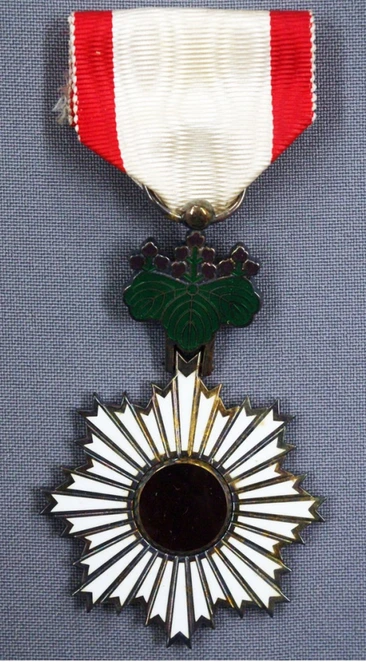
Order of the Rising Sun
November 1985
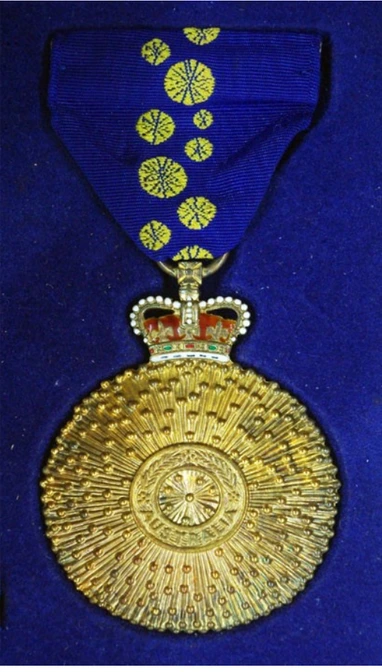
Member of the Order of Australia
January 1982
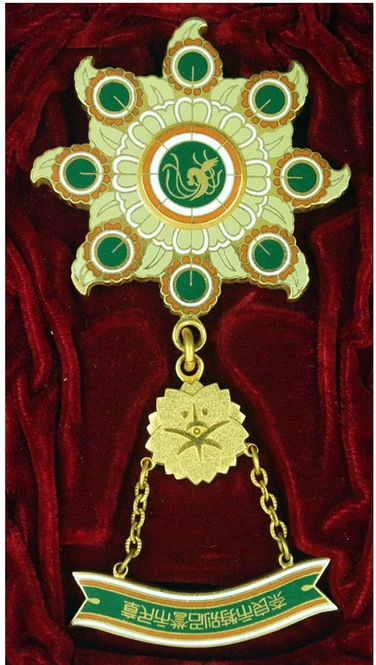
Honorary Citizen of Nara
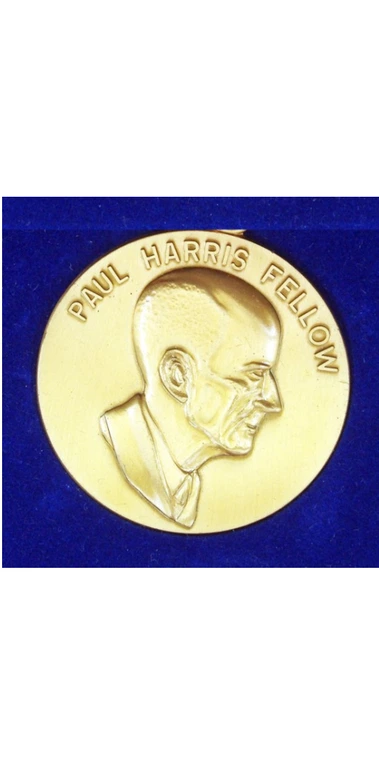
Paul Harris Fellow
For service to Rotary Clubs of Japan
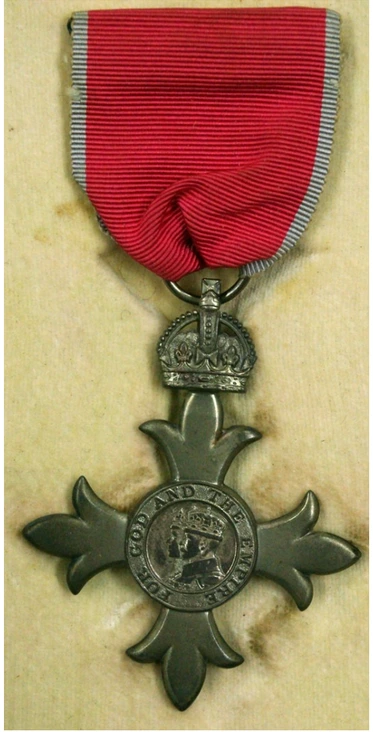
Member of the Order of the British Empire
1961
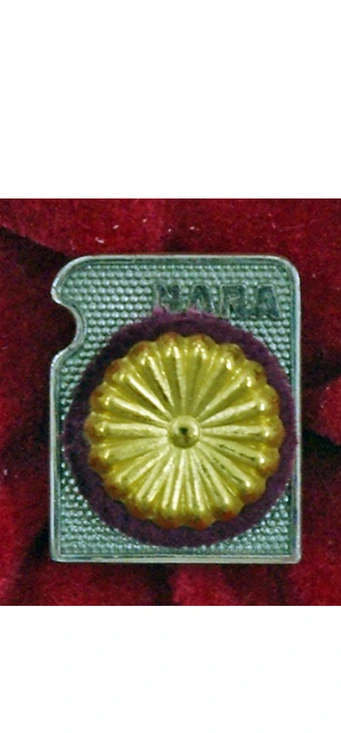
Nara Award
For Community Service
His Final Years
A Much-Loved Pastor
Father Tony Glynn remained at Tomigaoka until his death from cancer on 1 December 1994.
His primary role remained that of a priest and pastor. During his time at Tomigaoka, the brochure records that he baptised approximately 500 people.
“Accepting all the pain and suffering as a gift from God, he spent himself for others to the very end.”
His life had become closely identified with the friendship between Australia and Japan and with the belief that reconciliation could grow from direct human relationships.
Remembering Tony Glynn
Books and Film
The Final Days of Tony Glynn, SM
Dr Luke Pantallion Koji Yamaga composed 77 poems in the traditional Tanka form.
Shimpu-san: Healer of Hate
Written by Jim Brigginshaw of Lismore.
Railroad of Love
A film produced by Shigeki Chiba as a tribute to Tony Glynn.
His brother, Father Paul Glynn, also wrote Like a Samurai: The Tony Glynn Story, published in 2000.
His Legacy
Father Tony Glynn Japan–Australia Centre
After Tony Glynn's death, the idea developed to establish a Japanese cultural and educational centre in Lismore bearing his name.
The Father Tony Glynn Japan–Australia Centre continues the ideals that characterised his life: friendship, cultural understanding, reconciliation and peaceful relations between people.